Understanding Car Entertainment Systems: A Complete Comparison Guide
Modern vehicles have evolved into sophisticated mobile technology hubs, with advanced entertainment systems becoming standard features rather than luxuries. Understanding the differences between the three main types of car entertainment systems can help you make an informed decision that enhances your driving experience.
Apple CarPlay: Seamless iPhone Integration
Apple CarPlay represents Apple's solution for integrating iPhone functionality with your vehicle's entertainment system. This technology projects select iPhone features onto your car's touchscreen, allowing safe access to essential functions while driving.
Key Advantages:
-
Intuitive Interface: Features a clean, familiar layout that minimizes driver distraction
-
Voice Control: Comprehensive Siri integration for hands-free operation
-
App Support: Works with core iPhone applications including Maps, Music, Messages, and Phone
-
Safety Focus: Designed specifically to minimize driver distraction
Notable Limitations:
-
Limited App Selection: Only supports CarPlay-compatible applications
-
iPhone Dependency: Requires iPhone connection for all functionality
-
Hardware Constraints: Performance varies across different vehicle systems
Android Auto: Google's Smart Driving Companion
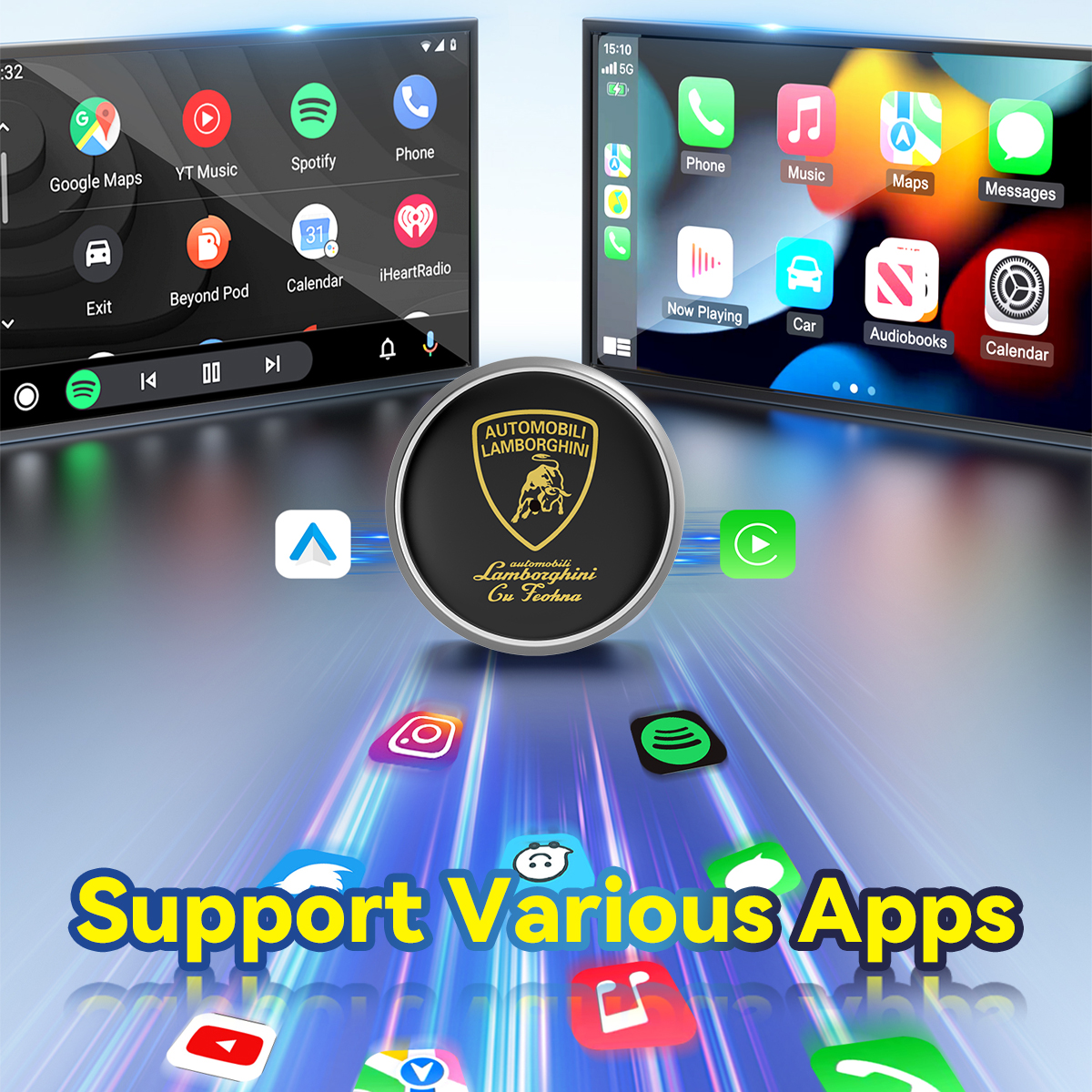
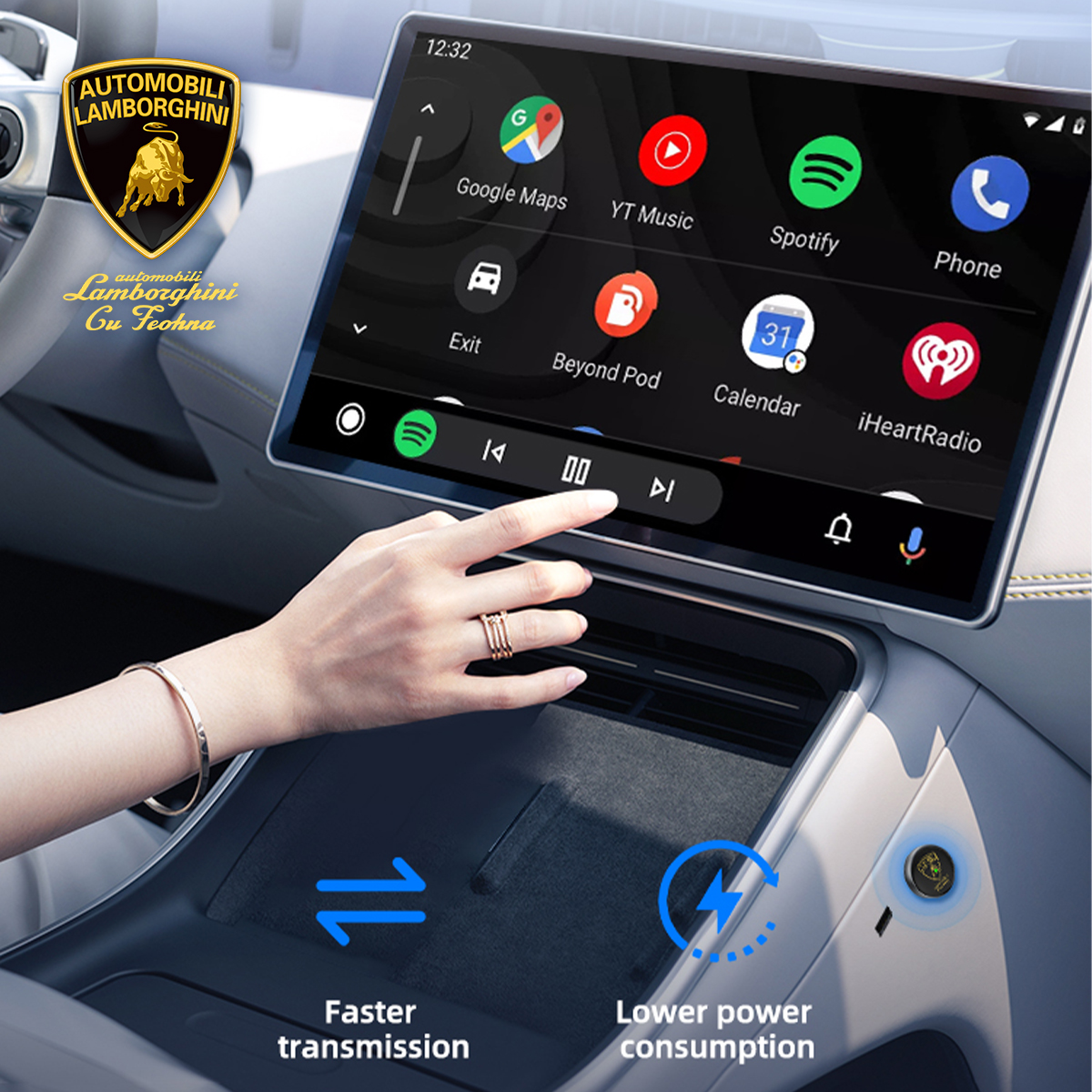
Developed by Google, Android Auto brings the Android ecosystem to your vehicle's dashboard, offering robust integration for Android smartphone users.
Standout Features:
-
User-Friendly Design: Large icons and clear text for easy visibility while driving
-
Google Assistant: Advanced voice control for navigation, calls, and media
-
Extensive App Support: Compatible with popular Google and third-party applications
-
Safety-Oriented: Interface designed to minimize driver distraction
Considerations:
-
Smartphone Dependent: Performance relies on connected Android device
-
Vehicle Compatibility: Limited to Android Auto-supported vehicles
-
Function Restrictions: Some features limited for safety reasons
Standalone Android Systems: Complete In-Car Solution
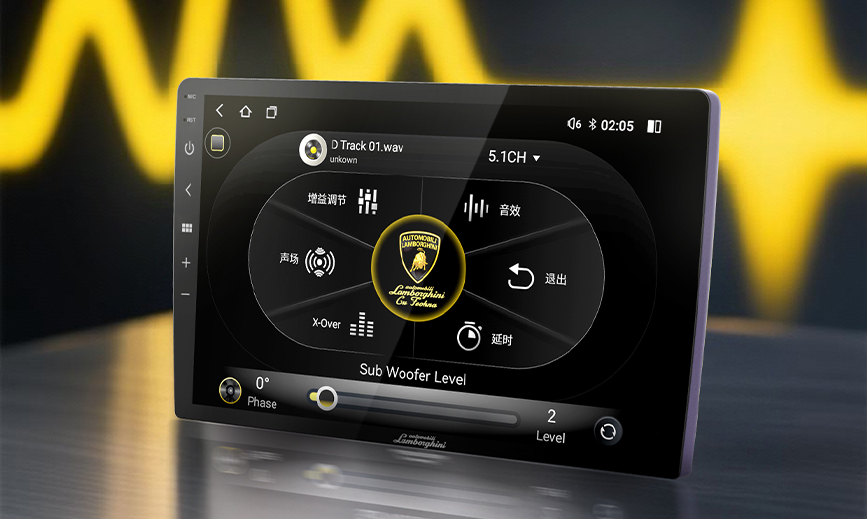
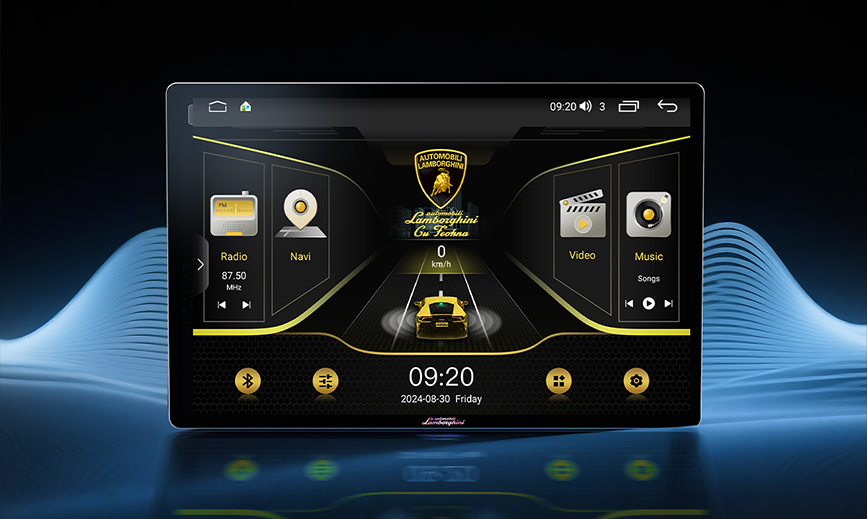
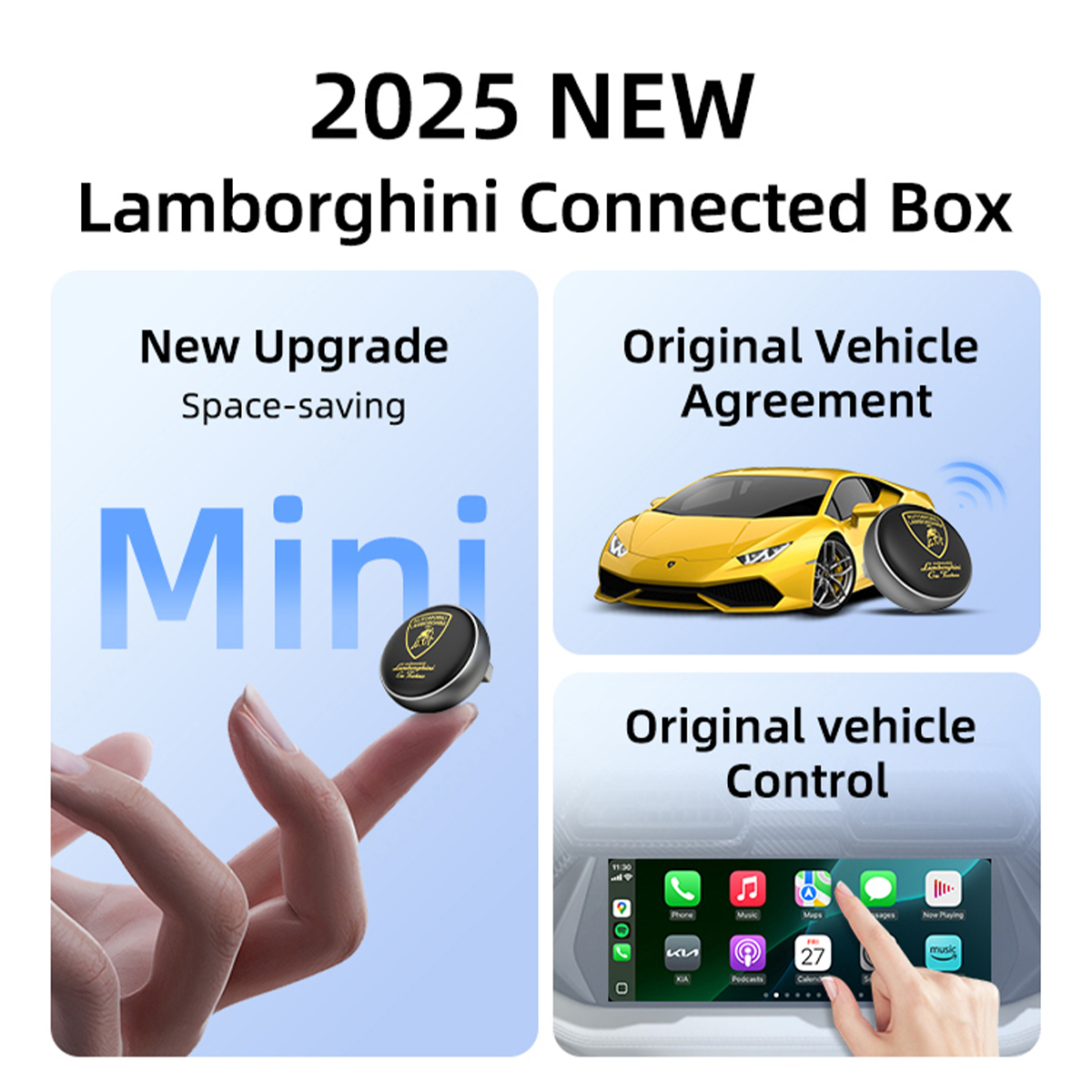
Android-based car entertainment systems operate independently, providing full Android functionality without smartphone tethering. These systems come in two primary configurations: integrated units that replace factory systems, and external boxes that connect to existing displays.
Key Benefits:
-
Comprehensive Features: Full support for music, video playback, and Bluetooth connectivity
-
Customization Options: Access to Google Play Store for app downloads
-
Connectivity Flexibility: Wi-Fi support and optional 4G/5G SIM card capability
-
Voice Control: Built-in assistant functionality for hands-free operation
Potential Drawbacks:
-
Performance Variability: System stability may vary between manufacturers
-
Power Consumption: Higher energy demands during intensive use
-
Installation Complexity: Professional installation often recommended
Detailed Feature Comparison
Communication Capabilities:
-
Phone Calls: All three systems support calling through voice commands or touch controls
-
Message Handling: Basic message reading and response functions available across platforms
Entertainment Features:
-
Video Playback: Android systems offer full video support, while CarPlay and Android Auto have limited video capabilities
-
Music Streaming: Comprehensive music app support available on all platforms
-
App Availability: Standalone Android units provide full Google Play Store access
Navigation Services:
-
Mapping Applications: All systems support major navigation apps with Android units offering the widest selection
-
Real-Time Updates: Traffic and route optimization available across platforms
Connectivity Options:
-
Internet Access: CarPlay and Android Auto use phone connectivity, while Android units can feature built-in cellular capability
-
Device Compatibility: Android systems work with all smartphones, while CarPlay and Android Auto are platform-specific
Frequently Asked Questions
Compatibility Concerns:
-
Cross-Platform Use: CarPlay exclusively for iPhones; Android Auto for Android devices only
-
Display Requirements: Screen replacement depends on existing system capabilities and chosen Android unit type
-
Vehicle Adaptation: Most modern vehicles support at least one of these systems
Installation Considerations:
-
Time Requirements: Installation typically ranges from 1-6 hours depending on vehicle and system complexity
-
Professional Services: Recommended for integrated Android unit installations
-
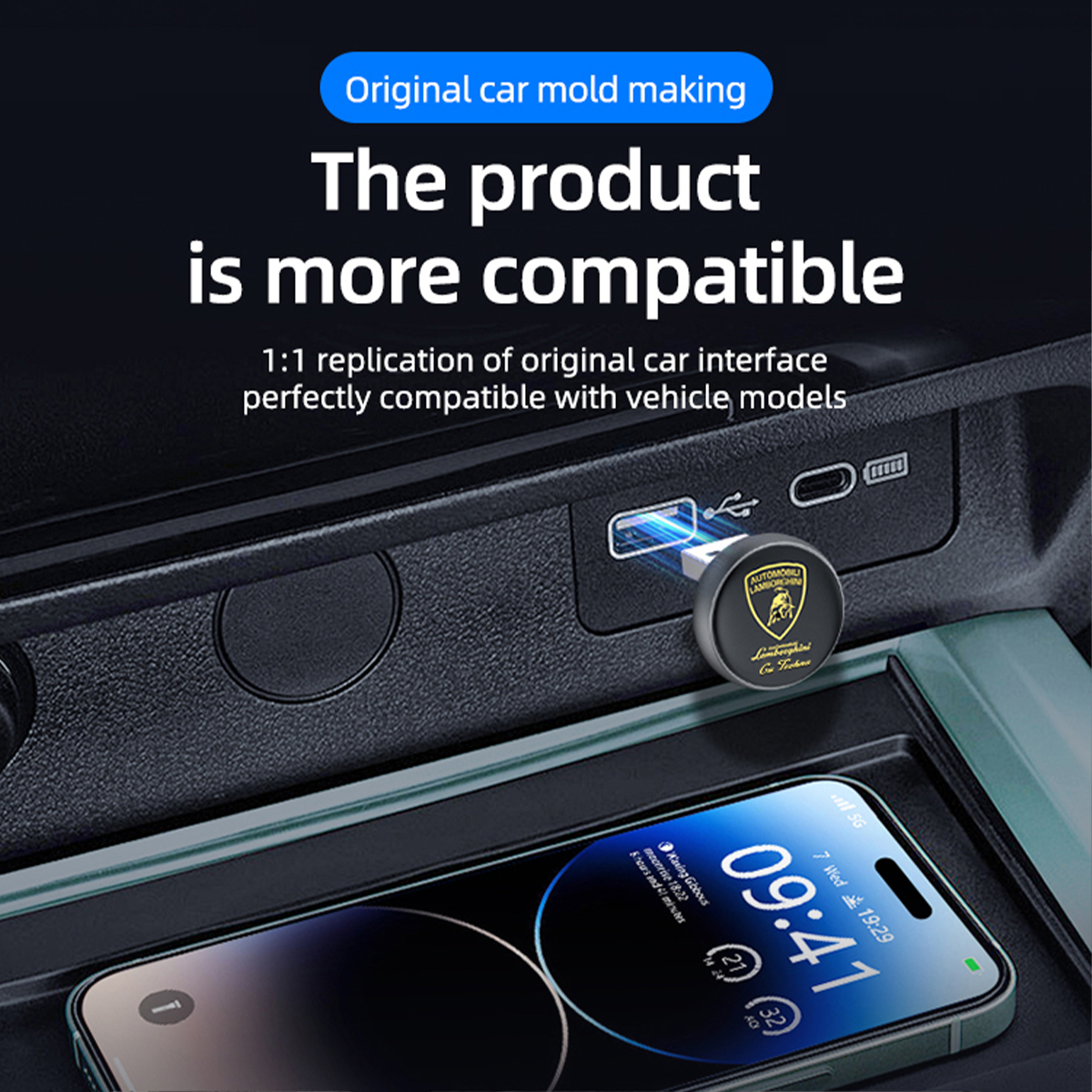
Connection Systems: Wireless options available for simplified setup
Performance Optimization:
-
Connection Issues: Check cables, device settings, and system updates for connectivity problems
-
Audio Synchronization: Ensure proper device pairing and stable connections
-
Software Updates: Regular updates maintain performance and add features
Making the Right Choice
Selecting the ideal car entertainment system depends on your specific needs, existing devices, and vehicle compatibility. Apple CarPlay excels for dedicated iPhone users seeking seamless integration, while Android Auto provides excellent functionality for Android smartphone owners. Standalone Android systems offer maximum flexibility and features for users wanting a complete, independent entertainment solution.
Consider your primary use cases, desired features, and installation requirements when making your decision. Each system brings unique advantages to different driving scenarios and user preferences.
Professional installation services can ensure optimal performance and integration, particularly for more complex standalone Android system installations. Proper setup maximizes functionality while maintaining vehicle safety and system reliability.